



The Philippines has become one of Southeast Asia’s most attractive destinations for global hiring. With a highly educated workforce, strong English proficiency, and a thriving digital services sector, companies around the world increasingly rely on Filipino professionals to build remote teams.
However, hiring employees in the Philippines involves navigating local labor laws, payroll regulations, and statutory benefits. For companies without a registered entity in the country, this can be complex and time-consuming.
An Employer of Record (EOR) offers a practical solution. It allows companies to legally hire employees in the Philippines without establishing a local entity while ensuring full compliance with employment regulations.
What is an Employer of Record Philippines?
An Employer of Record (EOR) in the Philippines is a third party organization that legally employs workers on behalf of another company. While your company manages the employee’s daily work and responsibilities, the EOR becomes the official employer for legal, payroll, and compliance purposes.
This means the EOR is responsible for ensuring the employment relationship complies with key Philippine regulations, including the Labor Code of the Philippines, tax reporting with the Bureau of Internal Revenue (BIR), and mandatory government contributions such as Social Security System (SSS), PhilHealth, and the Pag IBIG Fund.
Is Employer of Record Legal in Philippines?
Using an Employer of Record is a recognized way for overseas companies to hire employees in the Philippines without establishing their own local entity. The arrangement must still comply with Philippine labor, tax, payroll, and corporate regulations. Companies should therefore work with a provider that has the appropriate local employment structure and expertise.
Employment relationships in the Philippines are primarily governed by the Labor Code of the Philippines, which sets rules for wages, working hours, employee protections, termination procedures, and mandatory benefits. Any organization employing workers in the country must comply with these requirements.
Who Should Use an EOR in the Philippines?
An Employer of Record can be a practical option for companies that want to hire talent in the Philippines without setting up and managing a local legal entity. It is especially useful when you need a faster way to employ people while keeping contracts, payroll, benefits, and statutory requirements compliant with local regulations.
Companies may consider using an EOR in the Philippines when they:
1. Want to Hire One or Several Filipino Employees
Setting up a local entity may not be practical when you only need to hire a small number of employees. An EOR allows you to employ Filipino professionals without taking on the cost and administrative work of establishing a company in the country.
2. Are Testing the Philippine Market
You may want to explore demand, build local partnerships, or establish an initial team before making a long term investment. An EOR gives you the flexibility to hire locally and test the market without immediately committing to entity setup.
3. Need to Hire Before a Local Entity Is Ready
Establishing a legal entity can involve company registration, tax setup, payroll preparation, and other administrative requirements. An EOR can help you onboard employees while your entity setup is still in progress, reducing the risk of losing strong candidates because of delays.
4. Want to Build a Remote or Offshore Team
The Philippines has a large talent pool across customer support, technology, finance, marketing, sales, and shared services. An EOR can support companies that want to build a remote or offshore team while managing local employment contracts, payroll, statutory contributions, and employee administration.
5. Do Not Have Local HR, Legal, or Payroll Resources
Managing employment requirements in another country can be challenging without local expertise. An EOR provides support for payroll calculations, tax withholding, statutory benefits, leave administration, onboarding, and other employment responsibilities.
6. Need to Convert Contractors into Employees
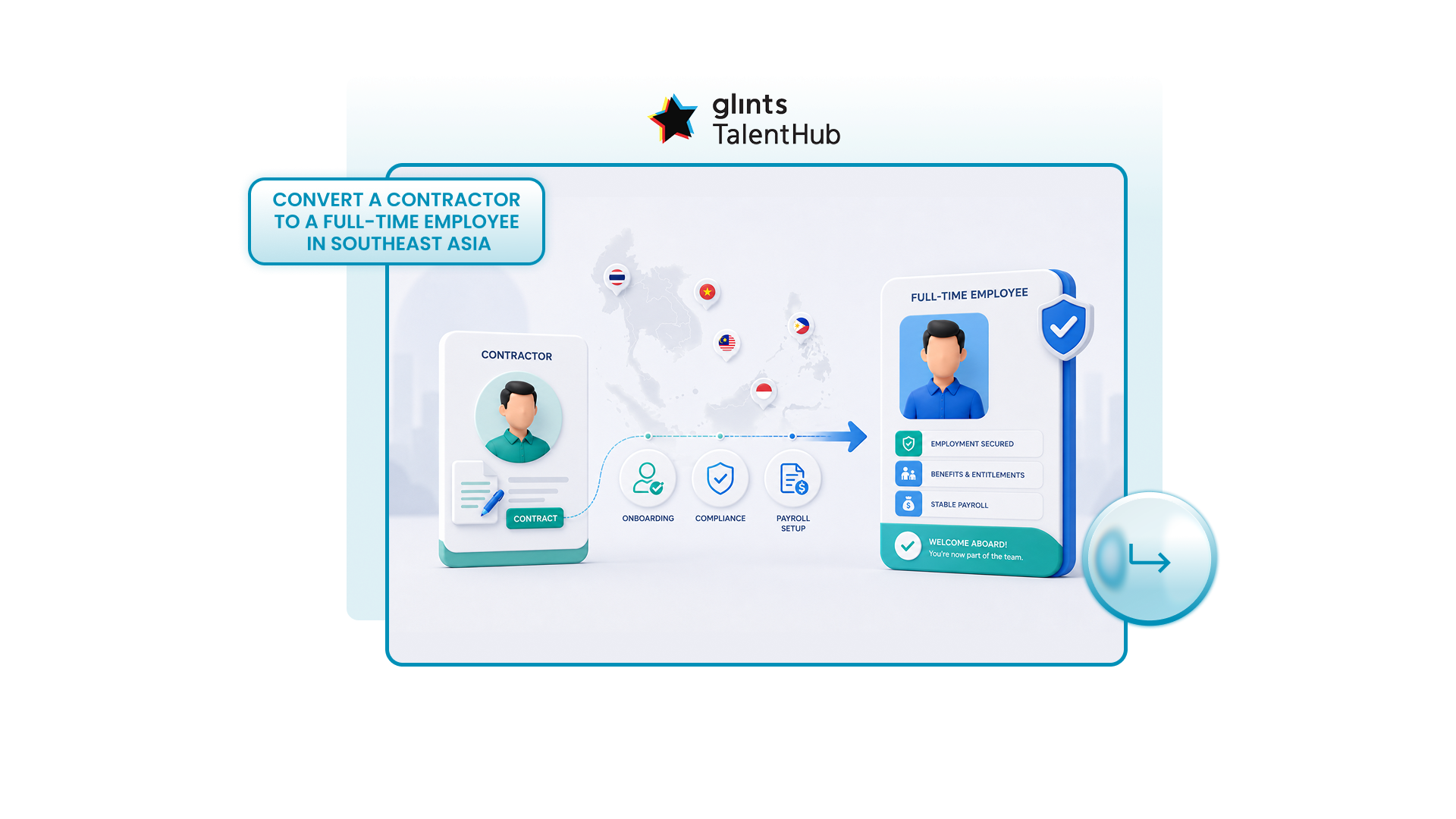
Contractors may be suitable for independent, project based work. However, misclassification risks can arise when a contractor works fixed hours, reports directly to managers, or performs an ongoing role similar to an employee. An EOR can help companies transition eligible contractors into locally employed team members.
7. Plan to Hire Across Southeast Asia
Companies expanding into several Southeast Asian markets may face different employment laws, payroll systems, and statutory requirements in each country. Working with an EOR provider that covers multiple markets can simplify regional hiring and give your team a more consistent way to onboard, pay, and support employees.
An EOR is often most suitable when speed, flexibility, and local compliance are priorities. For companies planning a large and permanent operation in the Philippines, setting up a local entity may become more practical over time.
What Does a Philippines EOR Manage?
A Philippines Employer of Record manages the legal and administrative responsibilities involved in employing workers locally. Your company continues to direct the employee’s daily responsibilities and performance, while the EOR handles contracts, payroll, statutory contributions, benefits, and employment compliance.
1. Compliant Employment Contracts
The EOR prepares a locally compliant employment agreement based on the role, compensation package, and working arrangement agreed upon by your company and the employee.
The contract may cover salary, working hours, work location, probationary terms, leave entitlements, confidentiality obligations, notice requirements, and termination conditions. This helps ensure that the employment relationship is clearly documented and aligned with Philippine labor requirements.
2. Employee Onboarding
Once the offer is accepted, the EOR coordinates the employee onboarding process. This includes collecting identification documents, banking details, tax information, and other records required for employment.
The EOR may also support employee registration or updates with relevant government programs, including the Social Security System, PhilHealth, and the Pag IBIG Fund. Employees are then introduced to payroll schedules, benefits, leave policies, and the appropriate channels for HR support.
3. Payroll and Tax Withholding
The EOR calculates and processes employee salaries according to the agreed payroll schedule. This may include base salary, allowances, bonuses, overtime, reimbursements, deductions, and other approved adjustments.
Employees receive payslips showing their earnings and deductions. The EOR also calculates and withholds applicable employee income tax, manages payroll records, and supports the required reporting and remittance processes with the Bureau of Internal Revenue.
4. Mandatory Government Contributions
Employers in the Philippines are responsible for registering eligible employees and making the required employer and employee contributions to government programs. A Philippines EOR typically manages contributions to:
- Social Security System
The SSS provides eligible private sector employees with social security protection, including sickness, maternity, disability, retirement, and other benefits.
- PhilHealth
PhilHealth contributions support access to the national health insurance program and eligible healthcare benefits.
- Pag IBIG Fund
Pag IBIG provides savings and housing related benefits to eligible members, along with access to certain loan programs.
The EOR calculates the applicable contribution amounts, deducts the employee portion through payroll, and remits both the employee and employer portions to the relevant agencies.
5. Benefits and 13th Month Pay
The EOR administers mandatory employee benefits and helps ensure they are reflected correctly in employment contracts and payroll processes.
This includes calculating and processing 13th month pay for eligible employees, managing statutory leave entitlements, and supporting holiday pay or other legally required compensation where applicable.
The EOR can also administer supplementary benefits selected by your company, such as private health insurance, additional paid leave, allowances, or performance incentives. This gives you more flexibility to create a competitive compensation package for Filipino talent.
6. Ongoing HR Support
Employees may need support with payroll questions, payslips, tax documents, leave balances, benefits, or changes to their personal information. The EOR provides a local point of contact to help address these employment related concerns.
Your company can also seek local HR guidance when managing contract amendments, compensation adjustments, leave requests, employee relations, or changes in employment requirements. This helps your internal team make informed decisions without having to manage every local process independently.
7. Compliant Offboarding
When an employment relationship ends, the EOR supports the required offboarding process in line with the contract and applicable Philippine employment requirements.
This may include preparing notices and employment documents, calculating final pay, processing unused leave where applicable, managing statutory deductions, and issuing relevant employment records. The EOR can also provide guidance on notice periods, termination procedures, and documentation to help reduce compliance risks.
By managing the full employment lifecycle, a Philippines EOR allows your company to focus on the employee’s work and development while local employment administration is handled by an experienced partner.
How to Hire Employees Through an EOR in the Philippines
Here is how the process typically works.
1. Define the Role and Compensation
Start by confirming the position you need to fill and the expectations attached to it. This includes the employee’s responsibilities, reporting structure, required experience, work location, working arrangement, and preferred start date.
You should also determine the proposed salary, allowances, benefits, bonuses, and any additional incentives. An EOR can help you understand how the compensation package compares with local market expectations and whether it meets Philippine employment requirements.
2. Select an EOR Provider
Choose an EOR provider with local employment expertise and the ability to support your wider hiring plans. Review how the provider manages employment contracts, payroll, statutory contributions, employee support, data security, and compliance updates.
You should also compare the provider’s pricing structure, onboarding process, service coverage, response times, and support for recruitment. Some providers only employ candidates you have already selected, while providers such as Glints TalentHub can support both talent sourcing and compliant employment.
3. Prepare the Employment Contract
Once the candidate accepts the offer, the EOR prepares a locally compliant employment agreement. The contract should reflect the approved role, salary, working arrangement, benefits, probationary period, leave entitlement, confidentiality obligations, notice requirements, and termination conditions.
Your company reviews and approves the employment terms before the EOR issues the contract to the employee. The EOR then becomes the employee’s legal employer in the Philippines.
4. Complete Employee Onboarding
The employee submits the documents required to begin employment. These may include identification documents, tax information, bank account details, emergency contacts, and existing registration details for government programs.
The EOR verifies the information, completes the necessary employment records, and coordinates registration or updates with the relevant government agencies. The employee should also receive clear information about payroll dates, leave policies, benefits, expense procedures, and HR support channels.
5. Begin Payroll and Employment Administration
Once onboarding is complete, the employee begins working under your company’s direction. Your team manages the employee’s responsibilities, goals, schedule, performance, and day to day collaboration.
The EOR manages payroll processing, payslip preparation, tax withholding, statutory contributions, benefits administration, leave records, and other local employment obligations. It also provides ongoing HR support and helps manage changes such as salary adjustments, contract amendments, bonuses, and offboarding.
This arrangement allows you to build a team in the Philippines while reducing the time and administrative work involved in establishing and operating a local entity.
Key Employment Regulations in Philippines
Below are some of the key employment regulations employers must follow:
1. Labor Code of the Philippines
Employment in the Philippines is primarily governed by the Labor Code of the Philippines, which establishes the legal framework for working hours, employee rights, termination procedures, benefits, and workplace standards. The law is enforced by the Department of Labor and Employment (DOLE).
2. Working Hours and Overtime
Normal working hours in the Philippines generally should not exceed eight hours per day. Actual weekly schedules may vary depending on the employee’s role, industry, rest day arrangements, and company policy. Employees who work beyond the standard hours are entitled to overtime pay, typically calculated at 125 percent of the regular hourly rate. Work performed during rest days, holidays, or night shifts may also require additional pay premiums.
3. Minimum Wage Regulations
Minimum wage levels are determined by Regional Tripartite Wages and Productivity Boards (RTWPB) and vary depending on the region. For example, wages in Metro Manila are generally higher than those in other regions due to cost of living differences.
4. Mandatory Government Contributions
Employers must register employees with several statutory benefit programs and make regular contributions on their behalf. These include:
- Social Security System (SSS) for retirement, disability, and social security benefits
- PhilHealth for national health insurance coverage
- Pag IBIG Fund for housing savings and employee loan programs
Both employers and employees contribute to these programs through payroll deductions.
5. 13th Month Pay Requirement
Philippine labor law requires employers to provide 13 month pay to eligible employees. This benefit is equivalent to one twelfth of an employee’s total basic annual salary and must be paid no later than December 24 each year.
6. Leave Entitlements
Employees who have completed at least one year of service are entitled to Service Incentive Leave (SIL) of at least five days per year. This policy forms part of the broader framework governing employee leave in the Philippines, which outlines minimum leave entitlements for workers.
Many employers also provide additional leave benefits such as vacation leave or sick leave as part of their compensation packages.
7. Termination and Employee Protection
Termination of employment in the Philippines must follow due process and just or authorized causes as defined by labor law. Employers are required to provide written notice and comply with procedural requirements. Failure to follow the correct process may result in labor disputes or penalties.
Hire and Manage Talent in the Philippines with Glints TalentHub
Hiring in the Philippines can give you access to skilled professionals across technology, customer support, finance, sales, marketing, and other business functions. However, finding the right candidates is only one part of the process. You also need compliant contracts, reliable payroll, statutory contributions, employee support, and local employment guidance.
Glints TalentHub brings recruitment and Employer of Record support together in one solution. You can source Filipino professionals through Glints’ regional talent network, employ them without establishing your own Philippine entity, and manage payroll, benefits, onboarding, and employment compliance through one partner.
This combination differentiates Glints from providers that only handle employment after a candidate has already been selected. Talk to Our Experts and build your dream team!
Recommended FAQ section
What is an Employer of Record in the Philippines?
An Employer of Record legally employs workers in the Philippines on behalf of another company. The EOR manages local employment contracts, payroll, statutory contributions, benefits, tax withholding, and compliance, while the client manages the employee’s daily work.
Can a foreign company hire employees in the Philippines without an entity?
Yes. A foreign company can work with an EOR that employs the workers through its local structure. This allows the company to build a Philippine team without first establishing its own legal entity.
Who manages employees hired through an EOR?
Your company normally manages the employee’s responsibilities, schedule, performance, and daily work. The EOR manages the legal and administrative employment responsibilities.
What statutory contributions does an EOR manage?
A Philippines EOR typically manages required employer and employee contributions to SSS, PhilHealth, and Pag IBIG, along with applicable payroll deductions and reporting.
Does an EOR pay 13th month pay?
The EOR calculates and administers legally required 13th month pay for eligible employees. It is generally based on one twelfth of the employee’s basic salary earned during the calendar year and is payable by December 24.
How quickly can an EOR hire an employee in the Philippines?
The timeline depends on contract approval, documentation, background checks, benefits enrollment, and payroll cutoff dates. An EOR is generally faster than establishing a new entity because the local employment structure is already available.
Is an EOR the same as a staffing agency?
No. A staffing agency primarily helps companies find candidates. An EOR becomes the legal employer and manages employment administration. Glints TalentHub can support both talent sourcing and compliant employment.
What is the difference between an EOR and a PEO?
An EOR can legally employ workers for a company that does not have a local entity. A PEO usually provides HR and payroll support through a co employment arrangement for a company that already operates a local entity.
Can an EOR help recruit employees in the Philippines?
Some EOR providers only employ candidates selected by the client. Glints TalentHub combines regional talent sourcing with EOR services, helping companies find, hire, onboard, pay, and manage Filipino professionals.
This article is brought to you by Glints TalentHub. Leading companies are actively building their borderless teams in Southeast Asia, Taiwan, and beyond. However, the prospect of going borderless can be daunting due to complex regulations and cultural ambiguities. With Glints TalentHub, you’ll have a dedicated team of in-market legal, HR, and talent experts by your side at every step of the way.
Glints TalentHub offers an end-to-end, tech-enabled talent solution that encompasses talent acquisition, EOR, and talent development. We empower businesses to leverage the strengths of regional talent efficiently to build high-performing, cost-efficient teams.
Schedule a no-obligation consultation with our experts to receive a tailored proposal today!