



Hiring global talent sounds exciting, until you face the legal, administrative, and compliance hurdles that come with employing someone in a country where your business has no legal entity. Setting up an overseas subsidiary takes months, navigating labor laws requires specialized expertise, and one misstep in payroll, taxation, or contracts can expose your company to significant risk.
For many employers, these barriers slow down expansion plans and make global hiring feel unnecessarily complicated.
That’s why many growing companies search for a faster, compliant, and cost-efficient way to hire abroad. And that search often leads to one solution: an Employer of Record (EOR).
In this guide, you’ll learn exactly how an EOR works, why it matters for global teams, and how it helps you hire talent in new markets without setting up a local entity, while staying fully compliant with local regulations. Whether you’re scaling rapidly or exploring a new market, this is your complete roadmap to using an EOR for global hiring.
What is an Employer of Record (EOR)?
An Employer of Record (EOR) is a third-party organization that employs and pays individuals on behalf of another business. EOR services allow companies to hire employees domestically or internationally without establishing a legal presence or dealing with complex compliance requirements in the employee’s country.
For example, imagine a company in Singapore wants to hire a software engineer in Indonesia. Normally, the company would need to establish a local entity in Indonesia to legally employ and pay the worker. This process can take time, cost money, and require an understanding of local labor laws and payroll regulations.
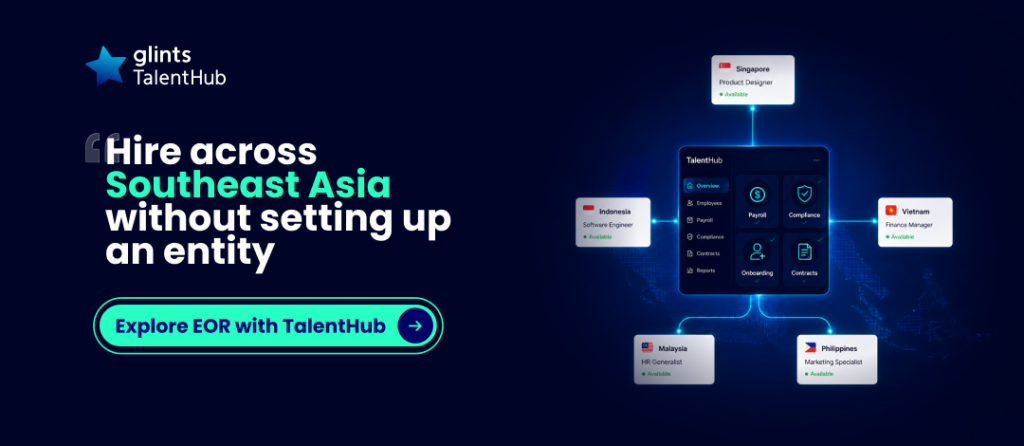
Instead, the company can use an EOR provider. In this setup, the EOR becomes the employee’s legal employer in Indonesia and handles employment contracts, payroll, taxes, benefits, and compliance. Meanwhile, the Singapore company still manages the employee’s daily tasks, projects, and performance just like a regular team member.
Platforms like Glints TalentHub EOR are designed to simplify this process, especially for companies expanding across Southeast Asia, by providing localized expertise and structured support for global hiring.
Functions and Responsibilities of an EOR
The roles of an EOR can depend on the service and location. Here are some typical tasks an EOR handles:
1. Ensuring Compliance with Local Employment Laws
An Employer of Record (EOR) helps businesses hire employees in compliance with local labor laws, tax regulations, and employment requirements in each country. This includes preparing compliant employment contracts, managing mandatory contributions, and ensuring the company follows local hiring standards.
2. Onboarding New Hires
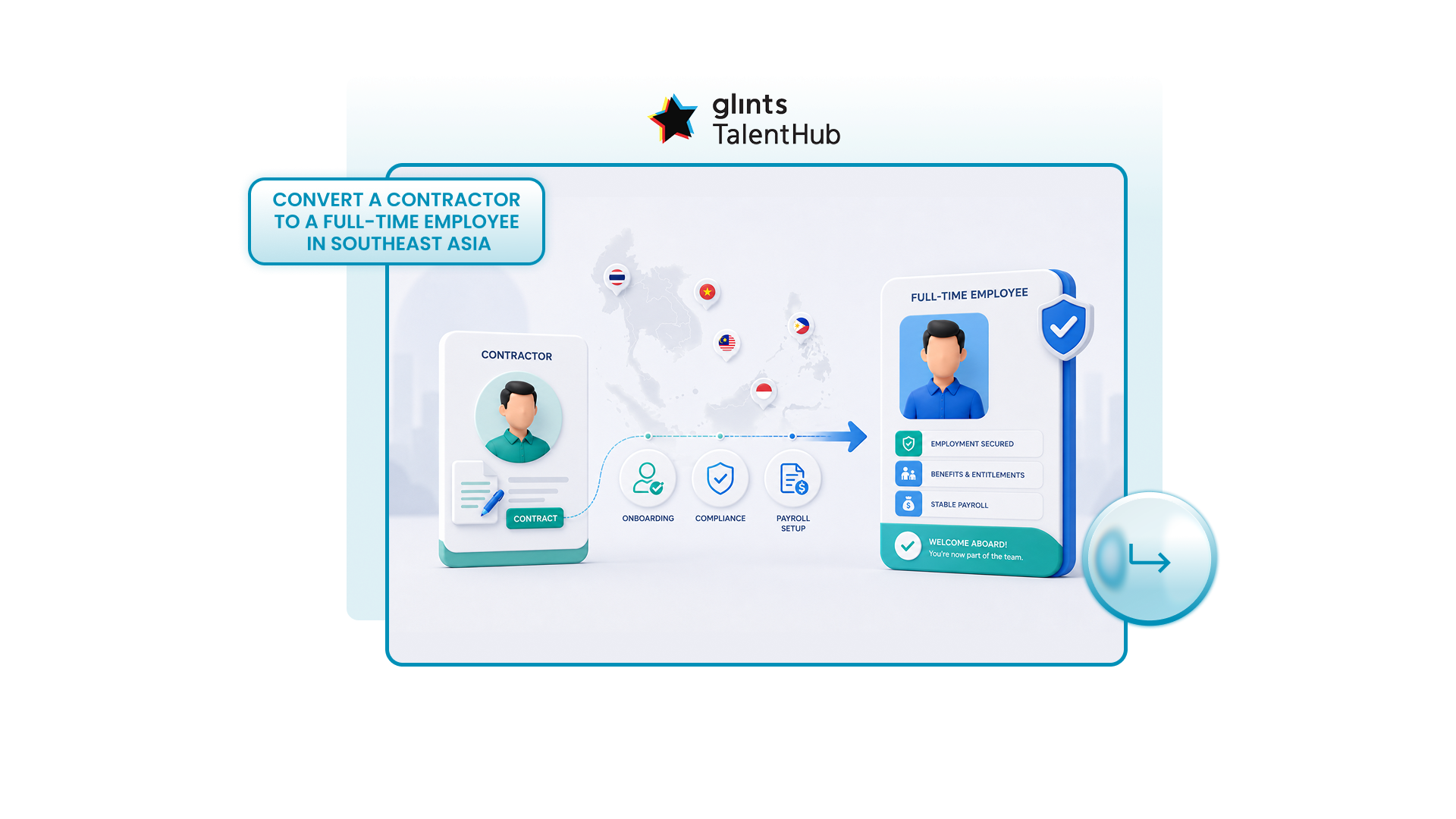
When a company hires a new employee, the EOR manages the onboarding process to ensure everything is set up properly from day one. This includes preparing employment agreements, collecting required documents, registering employees with local authorities when necessary, and coordinating payroll and benefits enrollment. A structured onboarding process helps employees start smoothly while ensuring compliance with local regulations.
3. Handling Global Payroll
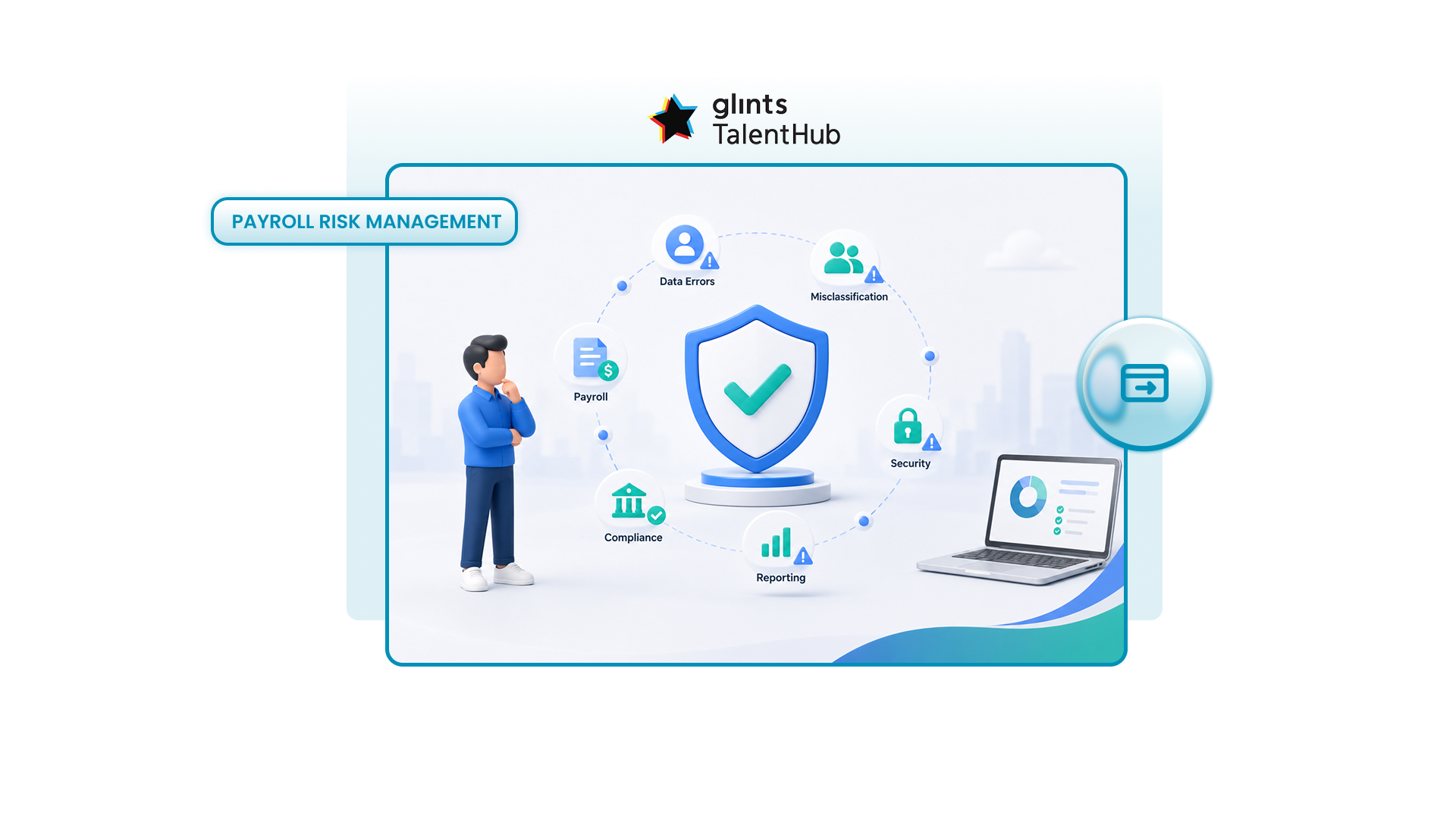
Managing payroll across multiple countries can be complex due to differences in tax systems, currencies, and labor laws. An EOR handles payroll administration, salary processing, tax deductions, and mandatory employer contributions on behalf of the company. This ensures employees receive accurate and timely payments while helping businesses avoid payroll errors and compliance issues in different markets.
4. Offering Employee Perks and Benefits
EOR providers help companies offer competitive employee benefits that align with local market standards. This may include health insurance, statutory benefits, paid leave, retirement contributions, and other region-specific perks. By providing access to locally compliant benefits packages, companies can improve employee satisfaction while remaining competitive in international hiring markets.
5. Managing Employee Exits
When an employee leaves the company, the EOR helps manage the offboarding process according to local employment laws. This includes handling resignation procedures, final salary payments, tax documentation, notice periods, and termination requirements where applicable. Proper offboarding support helps businesses reduce legal risks and ensures a smoother transition for both the company and the employee.
EOR Workflow and Processes
While your organization manages the employee’s day-to-day tasks, the EOR handles all employment-related obligations to ensure full compliance with local regulations. Here’s how the process typically works:
1. Talent Identification and Offer Alignment
You choose the candidate you want to hire, set the responsibilities, and agree on compensation. The EOR then ensures the offer complies with the labor laws of the target country.
2. Employment Contract Creation
The EOR drafts a legally compliant employment contract based on local regulations, including mandatory benefits, working hours, probation terms, and termination clauses, while reflecting your company’s requirements.
3. Onboarding and Legal Registration
Once the candidate signs the contract, the EOR officially becomes the employer on paper. They register the employee with local authorities and begin handling statutory obligations such as social security, tax IDs, and insurance.
4. Payroll and Benefits Administration
Every month, the EOR manages payroll, calculates taxes, processes mandatory and supplementary benefits, and ensures contributions are paid correctly and on time. You simply provide work hours or performance updates if needed.
5. Compliance and Risk Management
The EOR constantly monitors local labor laws, ensuring your employee remains compliant with regulations related to leave, overtime, benefits, and workplace protections. This reduces your legal and operational risk.
6. Ongoing HR Support
Throughout the employment lifecycle, the EOR provides HR assistance, including performance documentation, contract renewals, leave tracking, and employee inquiries, so your team can focus on core operations.
7. Offboarding and Termination Compliance
If employment ends, the EOR manages the legally compliant termination process, including notice periods, final pay calculations, and required reporting to authorities.
Key Benefits of Using an EOR
Here are some of the benefits of using EOR:
1. Faster Expansion
An EOR allows you to onboard team members from anywhere in the world swiftly. Companies that utilize EOR services can reduce their time-to-hire by at least 50%, enabling rapid scaling of operations and access to a vast pool of global talent.
2. Cost Savings
Establishing a legal entity in a foreign country can be costly and time-consuming. Using an EOR can reduce international hiring costs substantially, providing a cost-effective solution without the hefty price tag associated with setting up new offices abroad.
3. Flexibility in Staffing
Whether you need full-time employees or project-based contractors, an EOR provides flexibility to accommodate your employment needs. Companies using flexible staffing solutions can see increased operational efficiency, allowing them to adapt quickly to changing business needs without long-term commitments.
4. A More Diverse Talent Pool
Building a global team introduces diverse perspectives and innovative ideas. Companies with diverse workforces are more likely to have financial returns above their industry averages. An EOR allows you to hire a global and multi-cultural workforce, driving better business outcomes through diversity.
When Should a Company Use EOR
Here are some common situations where companies use an EOR:
1. Expanding Into New Markets Quickly
Businesses often use an EOR to enter new markets faster without going through the lengthy and costly process of establishing a local entity. This allows companies to test new regions and start hiring talent almost immediately.
2. Hiring Remote International Employees
As remote work becomes more common, companies use EOR services to legally hire employees in different countries. This is especially useful for building distributed teams across multiple regions while ensuring compliance with local labor laws.
Glints TalentHub helps companies hire international talent compliantly without the need to establish a local entity, making global expansion faster and more efficient.
3. Reducing Compliance Risks
Employment regulations vary significantly between countries. Companies use EOR providers to reduce the risk of non-compliance related to contracts, taxes, payroll, employee benefits, and termination procedures.
4. Supporting Global Expansion
For businesses planning international growth, an EOR helps simplify cross-border hiring and workforce management. This allows internal teams to focus on business operations instead of navigating complex administrative processes.
5. Hiring Before Setting Up a Local Entity
Some companies use an EOR as a temporary solution before opening their own branch or subsidiary in a new country. This allows them to hire and operate quickly while evaluating long-term expansion plans.
6. Managing International Payroll and Benefits
Companies also use EOR services to streamline payroll processing, statutory contributions, and employee benefits across different countries. This helps ensure employees are paid accurately and on time while meeting local requirements.
Differences Between Employer of Record (EOR) and Professional Employment Organization (PEO)
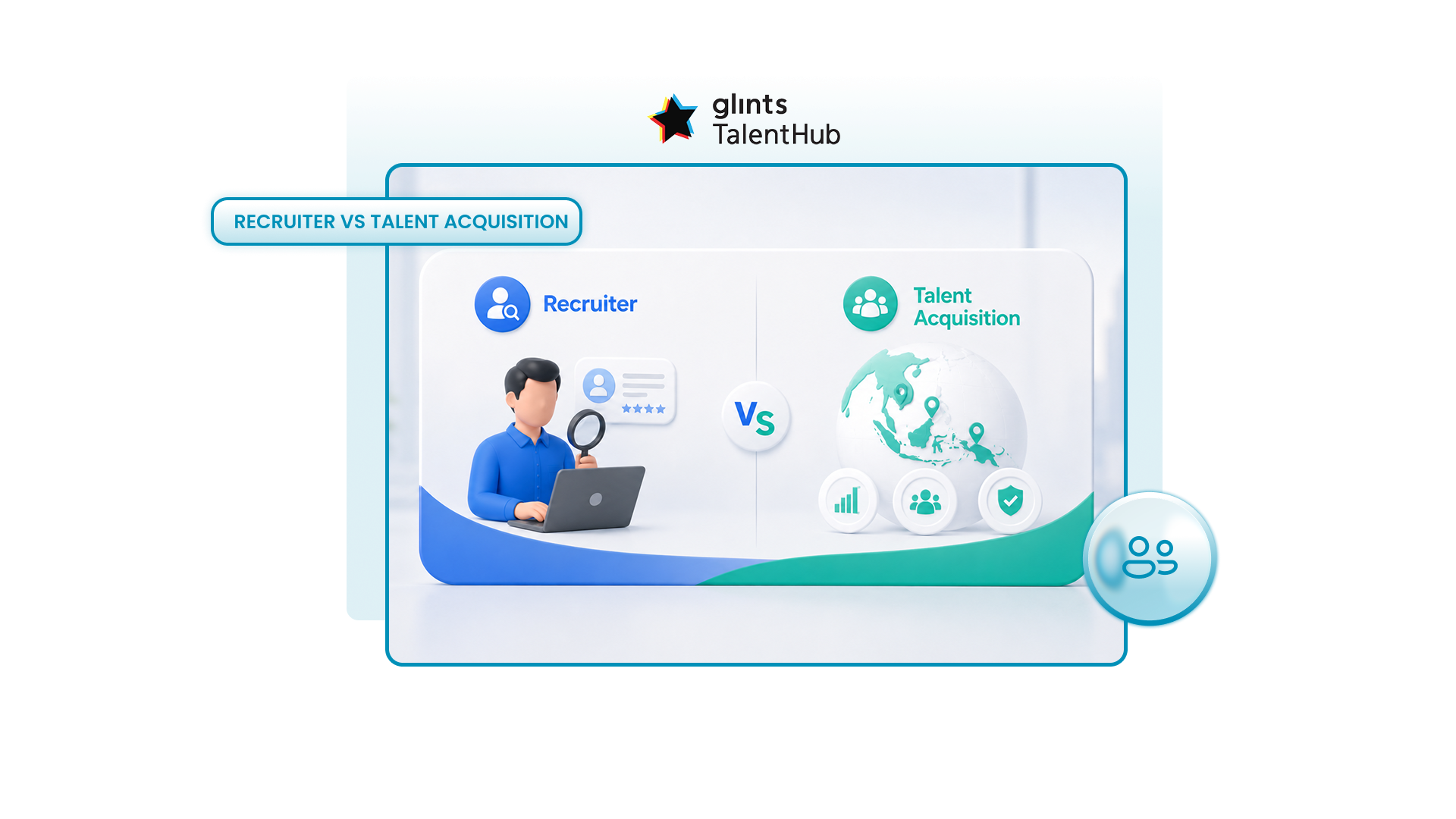
Expanding your team internationally comes with an important decision: should you use an Employer of Record (EOR) or a Professional Employment Organization (PEO)? Both help companies manage HR, payroll, and compliance, but they work in fundamentally different ways, and choosing the wrong one can create legal and operational headaches down the line.
How They Differ
With an EOR, the third-party provider becomes the legal employer of your staff on paper. Your company has no legal entity required in the employee’s country, the EOR owns all employment liability, handles contracts, runs payroll, and ensures local compliance. You simply direct the employee’s day-to-day work.
With a PEO, the arrangement is a co-employment model. Both you and the PEO share employer responsibilities. This means your company must already have a registered legal entity in the country where you’re hiring. The PEO then handles HR administration, payroll, benefits, taxes, but you remain a co-employer on the record.
Side-by-side comparison
| Key Aspect | EOR | PEO |
|---|---|---|
| Legal entity required? | No | Yes |
| Who is the legal employer? | The EOR | Shared (you + PEO) |
| Employment liability | Fully on the EOR | Shared with your company |
| Best for | Entering new markets fast | Companies already established locally |
| Compliance ownership | EOR handles it entirely | Shared responsibility |
| Flexibility | High — hire and exit markets quickly | Lower — tied to your existing entity |
| Typical cost | Per-employee monthly fee | % of payroll or flat fee |
When to Choose an EOR
An EOR is the right choice when you want to hire in a country where you have no legal presence, when speed matters and you can’t wait months for entity setup, or when you’re testing a new market and aren’t ready to commit to a permanent structure. It’s also the better option if you want to minimize legal exposure, since the EOR absorbs employment liability entirely.
When to Choose a PEO
A PEO makes more sense when your company already has a legal entity in the target country and you simply want to outsource HR and payroll administration. It works well for companies with a larger, established headcount in a market who need ongoing HR support without giving up co-employer status.
The Bottom Line
If you’re expanding into a new country and want to move fast without bureaucratic overhead, an EOR is almost always the simpler, lower-risk path. If you’re already operating locally and need HR support layered on top of your existing structure, a PEO is the better fit.
How to Choose the Right Employer of Record Provider

Finding the perfect Employer of Record for your business can feel overwhelming with so many options out there. Here are some tips to help make your decision easier:
1. Coverage in Your Target Countries
Check if the EOR operates in the countries where you plan to hire. If you need to hire people in multiple locations, especially in Southeast Asia, a regional employment platform like Glints TalentHub ensures a seamless and hassle-free experience. Glints has in-market experience and expertise across Southeast Asia to handle your end-to-end HR requirements.
This becomes even easier when you partner with one of the best EOR companies in Southeast Asia that already understands local regulations and hiring practices.
2. Quality of Support Services
Cross-border employment can be complex, so it’s important to choose an EOR that provides strong support and helpful resources. Research and speak to their teams to understand the level of support that will be afforded to you. Having reliable support can make all the difference.
3. Responsiveness and Reliability of Service
Consider the quality of service provided by the EOR. Look for one that offers prompt and reliable assistance, ensuring your questions and concerns are addressed quickly. For instance, Glints provides a high level of service, allowing you to reach out anytime for help, ensuring a smooth and efficient experience.
How Much Does an EOR Typically Cost?
EOR pricing can vary depending on the country, headcount, and level of support your company needs. At Glints TalentHub, Employer of Record (EOR) services start from $299 per employee/month, covering employment, payroll, compliance, and HR administration.
Additional services include:
- Recruitment services: 18–20% of the candidate’s annual salary
- Professional Employer Organization (PEO): starting from $115 per employee/month
- Payroll services: starting from $15 per employee/month (minimum monthly invoice of SGD 1,000 / approximately $765)
Book a free 30-minute call and we’ll walk you through a realistic estimate for your specific situation.
Frequently Asked Question about Employer of Record
What does an EOR do?
An Employer of Record (EOR) legally employs workers on behalf of another company. The EOR handles payroll, taxes, employment contracts, benefits, and labor law compliance, while the client company manages the employee’s daily tasks and performance.
Is EOR legal?
Yes, using an EOR is legal in many countries when the provider follows local employment and tax regulations. Companies often use EOR services to hire international employees compliantly without establishing a local entity.
Can an EOR hire remote employees?
Yes, EOR services are commonly used to hire remote employees across different countries. This allows companies to expand global teams without managing local payroll, tax, and compliance requirements on their own.
Does an EOR replace HR?
No, an EOR does not fully replace an internal HR team. The EOR mainly manages employment administration and compliance, while the company still handles employee management, company culture, performance reviews, and day-to-day operations.
When should companies use an EOR?
Companies should consider using an EOR when they want to hire internationally, test new markets, onboard remote employees quickly, or expand into new countries without setting up a local legal entity.
Unlock Seamless HR Management in Southeast Asia with Glints TalentHub
Glints TalentHub transforms HR complexities into seamless operations with our tailored Employer of Record (EOR) services. Our local HR experts ensures all your HR requirements are covered in Southeast Asia. Our end-to-end offering covers the entire employment lifecycle, from onboarding to offboarding of employees.
Partner with us for hassle-free HR management and schedule a no-obligation consultation today to receive your customized proposal.